
Micronutrients and more – What does the 65+ generation need?

To maintain good health, an adequate intake of vitamins and minerals is important even after the age of 65. However, age-related changes, as well as chronic diseases, use of medications or impaired mobility, can affect the diet and thus the nutrient intake of older adults.
As a general rule, healthy people can usually compensate the physical changes associated with ageing through a varied and balanced diet and meet their vitamin and mineral requirements in accordance with the recommendations of the External Link:German Nutrition Society (DGE). In general, the reference values for nutrient intake derived for people aged 65 and older do not differ from those for younger adults.
In some cases, food supplements can help ensure an adequate supply of essential substances. However, it is important to note that taking food supplements on one’s own can pose health risks, especially if the supplements are high-dose and/or taken in combination with medications.
The following is a summary what to keep in mind regarding the intake of vitamins and minerals or their supplementation:
Vitamins
- Vitamin B12
-
Vitamin B12 is involved in various metabolic processes. It supports the formation of red blood cells, cell division and the regeneration of nerve cells.
A vitamin B12 deficiency can manifest as impaired blood formation, as well as neurological disorders and psychological changes such as difficulty concentrating, or memory problems and depressive moods.
Vitamin B12 occurs in significant amounts only in foods of animal origin. The most important sources include liver, red meat, fish, eggs and dairy produce.
People who follow a vegan diet should therefore take vitamin B12 supplements. For vegetarians, the daily requirement can be met by consuming milk and dairy produce.
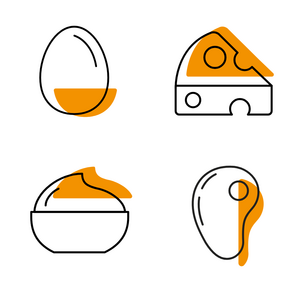
Chicken egg, hard-boiled→ 1 egg (approx. 60 g): 30% of the DGE reference value*
Yogurt, plain, at least 3.5% fat → 1 serving of yogurt (approx. 150 g): 8% of the DGE reference value*
Hard cheese, such as Emmental → 2 slices (approx. 60 g): 33% of the DGE reference value*
Beef steak, grilled → 1 steak (approx. 100 g): 100% of the DGE reference value*
* DGE reference value: 4 micrograms (μg) per day, as of 2018
External Link:www.dge.de/wissenschaft/referenzwerte/vitamin-b12

As people age, the body sometimes takes up vitamin B12 less effectively. This is becauseit must bind to a specific protein – known as the intrinsic factor – before it can be taken up. This protein is produced in the stomach. In older adults, for example, due to insufficient production of stomach acid or stomach disorders, the prevalence of the intrinsic factor not being produced (in sufficient quantities) is higher. Conditions such as intestinal disorders and type 2 diabetes, as well as the use of certain medications (proton pump inhibitors, H2 blockers) can also cause impairment in vitamin B12 absorption.
- Vitamin D
-

Vitamin D is produced primarily in the skin under the influence of sunlight. It is hardly taken up through the diet because it is found in significant amounts in only a few foods, such as fatty fish like salmon or herring.
However, the skin’s ability to produce vitamin D declines with age. In addition, older adults may spend less time outdoors, for example if they are ill, live in nursing homes and/or have limited mobility. Older adults with limited mobility are therefore among the at-risk groups for whom, according to the BfRshort forGerman Federal Institute for Risk Assessment, taking vitamin D supplements may be advisable. After consulting a doctor, vitamin D status (serum 25-hydroxycholecalciferol levels) can be determined and the need for and dose of supplementation can be tailored to the individual.
The BfRshort forGerman Federal Institute for Risk Assessment recommends a maximum amount of 20 micrograms (μg) of vitamin D per daily dose in food supplements. High doses of vitamin D should only be taken under medical supervision. Long-term excessive vitamin D intake, for example through high-dose supplements, can have serious health consequences, including cardiac arrhythmias and kidney damage.
There are also some supplements on the market that contain 100 μg of vitamin D (equivalent to 4,000 International Units; IU) per recommended daily dose – an amount that corresponds to the Upper Limit (ULshort forTolerable Upper Intake Level) derived by EFSAshort forEuropean Food Safety Authority. Evidence from studies suggests that the long-term supplemental intake of vitamin D starting at 100 μg per day may be associated with an increased risk of adverse health effects. These include a decrease in bone density in older women, an increased risk of falls, and a deterioration in heart function in people with heart disease.
- Vitamin K
-
Vitamin K occurs in green vegetables, plant-based fats and oils and in animal food products. It plays a role in the formation of blood clotting factors and, together with several other micronutrients (such as calcium, phosphorus and vitamin D), is important for bone health.
There is no evidence to suggest that the elderly population in Germany has an insufficient intake of vitamin K and requires supplementation.

Spinach, steamed → 1 serving (approx. 200 g): 1372% (m), 1689% (f) of the DGE reference value*
Broccoli, cooked → 1 serving (approx. 200 g): 385% (m), 474% (f) of the DGE reference value*
Hard cheese, such as Emmental → 2 slices (approx. 60 g): 15% (m), 18% (f) of the DGE reference value*
Canola oil → 1 tablespoon (approx. 15 mL): 23% (m), 28% (f) of the DGE reference value*
* DGE reference value: 80 micrograms (μg) per day for men (m); 65 μg per day for women (f), derived from 2000
External Link:www.dge.de/wissenschaft/referenzwerte/vitamin-k
The BfRshort forGerman Federal Institute for Risk Assessment recommends maximum doses in food supplements of 80 μg of vitamin K1 and 25 μg of vitamin K2 per day. A high additional intake of vitamin K can reduce the therapeutic effect of certain anticoagulant medicines – specifically, coumarin-type anticoagulants. In Germany, many older adults take such medications to prevent thrombosis. Anyone doing so should ensure to keep the dietary intake of vitamin K as consistent as possible and consult a doctor before taking food supplements containing vitamin K.
- Biotin
-
Biotin is found in widely varying amounts in most foods. Liver, egg yolks, nuts, mushrooms and certain vegetables such as soybeans, spinach and lentils are particularly rich in biotin. The vitamin plays a role in protein, fat and carbohydrate metabolism.
Intake data from Germany suggest that even older adults easily meet or even exceed the DGE reference intake value for biotin. There is therefore no reason to supplement biotin via food supplements. On the other hand, no adverse health effects have been observed even with biotin intake above the reference intake value; consequently, the BfRshort forGerman Federal Institute for Risk Assessment has not derived a maximum level for biotin in food supplements and enriched foods.
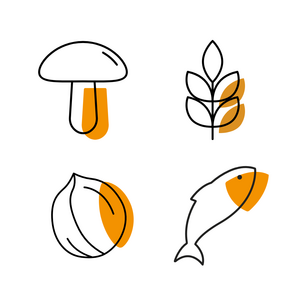
Button mushrooms, cooked → 1 serving (approx. 150 g): 75% of the DGE reference value*
Whole-grain rolled oats → 1 serving (approx. 65 g): 33% of the DGE reference value*
Walnuts → 1 serving (approx. 25 g): 23% of the DGE reference value*
Pangasius, steamed → 1 serving (approx. 200 g): 178% of the DGE reference value*
* DGE reference value: 40 micrograms (μg) per day, as of 2020
Taking biotin can interfere with laboratory test results – and thereby make it more difficult to diagnose conditions such as a heart attack. Anyone who needs to undergo a laboratory test and is taking – or has recently taken – biotin supplements should inform their doctor or the laboratory staff.
- Vitamin B6
-
Vitamin B6 is found in many plant-based and animal food products. In Germany, the main sources of vitamin B6 include potatoes, meat, poultry and processed meats, bread, dairy produce, and fruit and vegetables.
Studies show that people in Germany take up (more than) sufficient amounts of vitamin B6 through their diet.
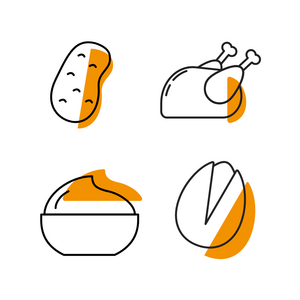
Potatoes, boiled → 1 serving (approx. 200 g): 17% (m), 19% (f) of the DGE reference value*
Turkey cutlet, pan-fried → 1 cutlet (approx. 150 g): 32% (m), 36% (f) of the DGE reference value*
Quark, 20% fat → 1 serving (approx. 150 g): 8% (m), 10% (f) of the DGE reference value*
Pistachios, roasted → 1 serving (approx. 25 g): 23% (m), 27% (f) of the DGE reference value*
* DGE reference value: 1.6 milligrams (mg) per day for men (m); 1.4 mg per day for women (f), derived from data as of 2019
External Link:www.dge.de/wissenschaft/referenzwerte/vitamin-b6
As with most other micronutrients, older adults are at increased risk of inadequate intake only if they take up too little food. If too much vitamin B6 is taken up over an extended period in addition to the usual diet, it can lead to neurological disorders, particularly neuropathies. In view of this, the BfRshort forGerman Federal Institute for Risk Assessment recommends a maximum intake of 0.9 mgshort formilligram of vitamin B6 per daily dose of a food supplement.
Minerals
- Calcium
-
Calcium is the most abundant mineral in the human body. It is a building block of bones and teeth, but also has other functions in the body: for example, it supports the transmission of nerve impulses in muscles and nerves and plays an important role in blood clotting.
Milk and dairy products are particularly good sources of calcium; however, some plant-based foods, such as broccoli, kale and almonds, also contain calcium. Mineral water containing more than 150 mgshort formilligram of calcium per litre is also a good source.

Milk, 3.5% fat, pasteurized → 1 glass of milk (approx. 250 mL): 29% of the DGE reference value*
Hard cheese, such as Emmental → 2 slices (approx. 60 g): 70% of the DGE reference value*
Broccoli, cooked → 1 serving (approx. 200 g): 7% of the DGE reference value*
Arugula, raw → 1 serving (approx. 50 g): 5.4% of the DGE reference value*
* DGE reference value: 1,000 milligrams (mg) per day, as of 2013
If too much calcium is taken up over the long term, it can lead to elevated calcium levels in the blood. Possible consequences include kidney stones and impaired kidney function. In addition, there is evidence that taking food supplements containing high doses of calcium may increase the risk of heart disease. The BfRshort forGerman Federal Institute for Risk Assessment recommends a maximum daily intake of 500 mg of calcium from food supplements. For daily doses of more than 250 mgshort formilligram of calcium in a single food supplement, the BfRshort forGerman Federal Institute for Risk Assessment recommends refraining from taking any further calcium-containing food supplements.

In order for calcium to be adequately taken up through the intestine and incorporated into the bones, the body also needs vitamin D. To keep bones strong, it is therefore important to ensure not only an adequate intake of calcium but also an adequate supply of vitamin D. Insufficient vitamin D can impair calcium absorption and, over the long term, contribute to a decrease in bone density as well as an increased risk of osteoporosis.
- Iron
-
The body needs iron primarily for blood formation and oxygen transport. A deficiency in iron can impair physical and mental performance. This mineral is found primarily in meat and other animal food products. Some types of fruit and vegetables, as well as pulses and grains, also contain iron, although the body is less able to absorb iron from plant-based foods.
For women aged 65 and over, the DGE reference intake value is lower than that for younger women (14 mgshort formilligram versus 16 mgshort formilligram per day). Older women therefore need to take up less iron through their diet to meet the reference value; for men, meeting the reference value is not a problem in any case.

Tofu → 1 serving (approx. 100 g): 26% (m), 20% (f) of the DGE reference value*
Roast beef → 1 serving (approx. 150 g): 44% (m), 35% (f) of the DGE reference value*
Spinach, steamed → 1 serving (approx. 200 g): 46% (m), 36% (f) of the DGE reference value*
Whole-grain rolled oats → 1 serving (approx. 65 g): 26% (m), 20% (f) of the DGE reference value*
* DGE reference value: 11 milligrams (mg) per day for men (m); 14 mg per day for women (f), derived as of 2023
Some medications commonly prescribed to older adults can increase the risk of anaemia. However, the BfRshort forGerman Federal Institute for Risk Assessment recommends taking iron food supplements only after consulting a doctor, especially since there is no evidence that older women and men have an iron deficiency.
High additional intake of iron via food supplements can lead to gastrointestinal complaints such as nausea, cramps or constipation. Risks associated with cardiovascular disease, cancer and type 2 diabetes mellitus are also being discussed. Since post-menopausal women and men have lower iron requirements, they should take special care not to take iron supplements unnecessarily.
Consumption of iron-rich plant-based foods should be combined with foods containing vitamin C (such as a glass of orange juice), because vitamin C and organic acids – such as citric or lactic acid – promote the uptake of iron from plant-based foods.
- Magnesium
-
Magnesium plays a role in many metabolic processes in the body, such as bone mineralisation, neuromuscular transmission, muscle contraction, blood pressure and energy metabolism.
This mineral is found primarily in many plant-based foods, but also in animal food products. On average, the concentration of magnesium in plant-based foods is higher than the concentration in animal food products.

Dark chocolate → 1 serving (approx. 25 g): 14% (m), 17% (f) of the DGE reference value*
Swiss chard, steamed → 1 serving (approx. 200 g): 40% (m), 47% (f) of the DGE reference value*
Banana → 1 banana (approx. 100 g): 8% (m), 9% (f) of the DGE reference value*
Whole-grain bread → 1 slice (approx. 50 g): 8% (m), 10% (f) of the DGE reference value*
* DGE reference value: 350 milligrams (mg) per day for men (m); 300 mg per day for women (f), derived from data as of 2021
External Link:www.dge.de/wissenschaft/referenzwerte/magnesium
In older age, magnesium absorption may be reduced and urinary excretion may be increased. Medication use and certain medical conditions can also increase the risk of magnesium deficiency. However, the reference intake value established by the DGE for people aged 65 and over is not different from that for younger adults. Furthermore, it has not yet been shown that taking magnesium supplements has a positive effect on night-time muscle cramps in older adults.
Excessive intake of magnesium via food supplements can lead to diarrhoea. Mild diarrhoea has been observed in adults even with an additional intake of 300 mgshort formilligram per day. The BfRshort forGerman Federal Institute for Risk Assessment therefore recommends not taking more than 250 mgshort formilligram per day in supplement form, ideally spread over two or more doses.
Other substances with nutritional or physiological effects
- Omega-3 fatty acids
-
Long-chain omega-3 fatty acids such as DHA (docosahexaenoic acid) and EPA (eicosapentaenoic acid) are believed to have health-promoting properties; they have anti-inflammatory effects, improve blood flow and may help prevent cardiovascular and vascular diseases (coronary heart disease).
DHA and EPA can be taken up directly and in higher amounts primarily from fatty saltwater fish. These include, for example, mackerel, herring and salmon. In addition, DHA and EPA are also found in marine algae, albeit in varying amounts.
Alpha-linolenic acid (ALA) is also an important omega-3 fatty acid. It is found in plant-based foods such as walnuts, soybeans, rape and linseed, as well as oils derived from them and can be converted into DHA and EPA in the human body.
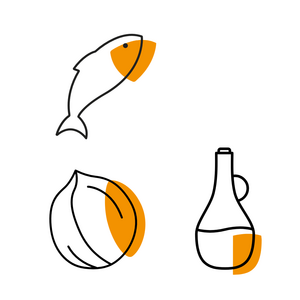
ALA: The German Nutrition Society has established recommended intake levels for alpha-linolenic acid (ALA). According to these guidelines, the daily intake of this fatty acid should amount to 0.5% of total energy intake. Based on an average energy intake of 2,400 kcal per day, this corresponds to an ALA intake of approximately 1,300 mgshort formilligram.
This recommended intake can be achieved by consuming as little as about 1 tablespoon of linseed (equivalent to 6 to 7 g) or 1 tablespoon of rapeseed oil (approx. 15 mL), or by eating about 13 g of walnut kernels (about four walnuts).
EPA and DHA: According to the German Nutrition Society (DGE), based on current data, a daily dietary intake of 250 mgshort formilligram of EPA and DHA is sufficient to have a beneficial effect on the blood lipid profile and to reduce the risk of death from coronary heart disease. This amount can easily be achieved by consuming 1–2 portions of fatty fish such as salmon, mackerel or herring per week. In addition, DHA and EPA are also commercially available as dietary supplements in the form of fish oil, marine microalgae oils or highly purified fatty acid ethyl esters.
Taking DHA and EPA via food supplements (such as ‘fish oil capsules’ available in stores) may be associated with an increased risk of atrial fibrillation – a heart rhythm disorder – in people with existing or impending heart disease. This effect was most pronounced at doses of about 4 g per day, but was also evident at doses of around 2 g per day over a period of two years. The doses of omega-3 fatty acid food supplements available on the market are, in some cases, as high as those of prescription medications. The BfRshort forGerman Federal Institute for Risk Assessment considers the use of these supplements unnecessary for healthy people, especially if they regularly consume fish. People with existing cardiovascular diseases or corresponding risk factors should take supplements containing omega-3 fatty acids only after consulting a doctor, particularly if taken over a longer period of time.
Questions and answers
Micronutrient requirements in old age
Learn more about each substance
Status: